

The Impact of US Sanctions: A Comprehensive Analysis
Since their inception, US sanctions have played a pivotal role in international relations. They are employed as a tool of foreign policy, aiming to influence the behavior of states or organizations that challenge or violate international norms. This article will delve into the various dimensions of US sanctions, their historical context, implementation, and the implications for global politics and economies. For a detailed overview, visit US sanctions https://lhfministries.org/media/pgs/?us-sanctions-full-overview.html.
Understanding US Sanctions
US sanctions can be classified into different categories, including economic sanctions, trade sanctions, and diplomatic sanctions. Economic sanctions often target specific sectors, such as finance or oil, while trade sanctions may restrict the importation or exportation of certain goods. Diplomatic sanctions typically involve the reduction or cessation of diplomatic ties.
Historical Context
The use of sanctions by the United States can be traced back to the early 20th century. However, they gained significant momentum during the Cold War as a means to counter the Soviet Union’s influence. Over the decades, these sanctions have evolved, becoming more nuanced and sophisticated, reflecting changes in both global politics and domestic policy priorities.
A pivotal moment in the history of US sanctions came in 1996 with the passage of the Iran and Libya Sanctions Act, which expanded the scope of US sanctions against Iran due to its nuclear program. This marked a turning point, as sanctions became a central element of US strategy in the Middle East.
The Mechanics of Sanctions
The United States implements sanctions through various executive orders, regulations, and legislation. The Office of Foreign Assets Control (OFAC), a division of the US Treasury, is primarily responsible for enforcing these measures. Sanctions can target individuals, corporations, or entire countries, and they often come with severe penalties for violations.
The process of imposing sanctions involves a thorough risk assessment, with the goal of minimizing unintended consequences. However, this does not always succeed, leading to humanitarian issues, particularly in countries with limited economic resilience.
Case Studies
North Korea
North Korea is one of the most heavily sanctioned countries in the world. The sanctions enforced by the US, particularly in response to its nuclear weapons program, have significantly impacted its economy. While these measures aim to pressure the regime into denuclearization, they have also intensified the hardships faced by ordinary citizens, raising ethical questions about the humanitarian consequences of such policies.
Iran
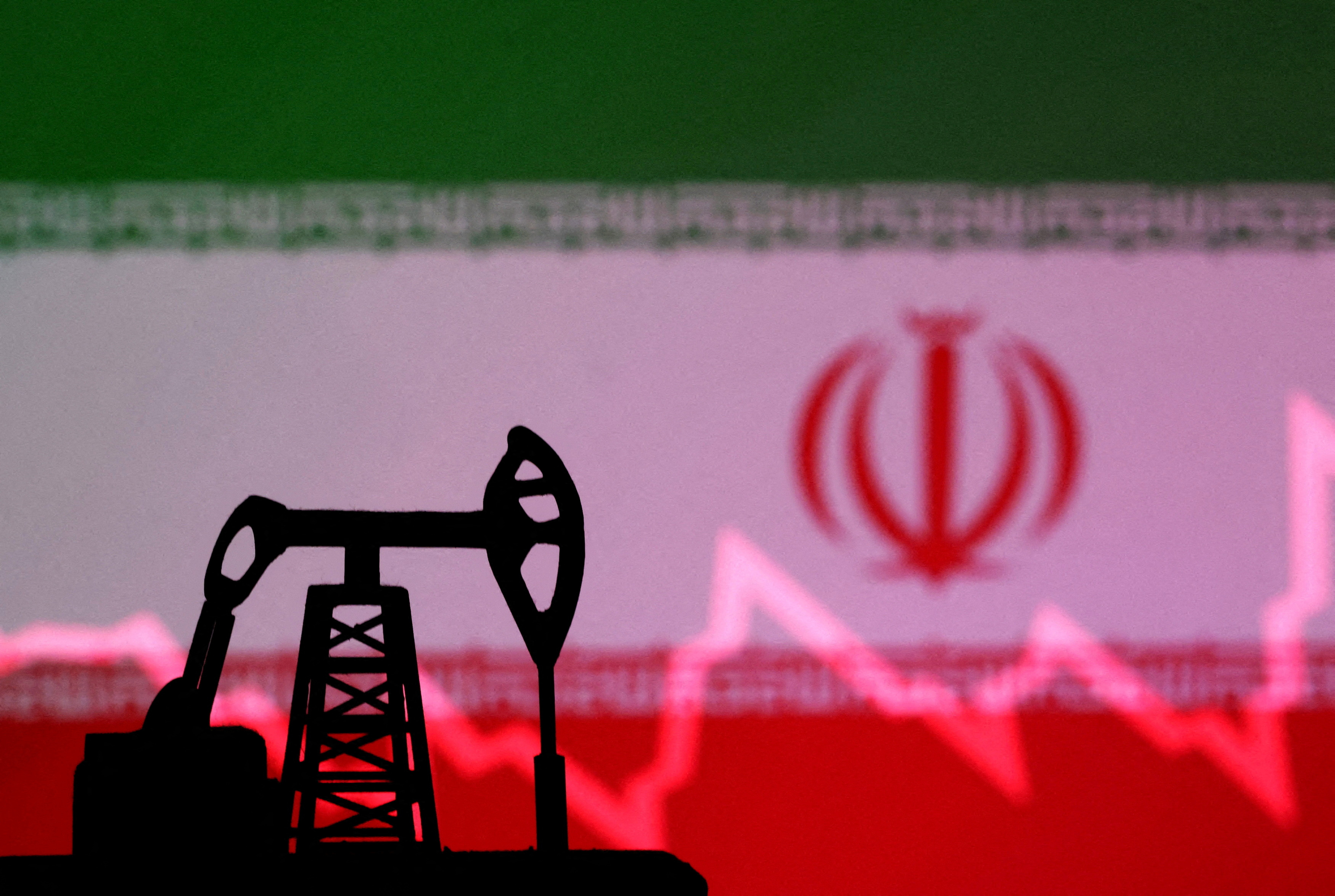
The Iranian sanctions regime provides another critical case study. Initiated to combat Iran’s alleged nuclear ambitions, these sanctions have affected not only the Iranian government but also the civilian population. The return of sanctions in 2018 after the US withdrawal from the Joint Comprehensive Plan of Action (JCPOA) underscored the precarious balance between political objectives and humanitarian impacts.
Venezuela
Venezuela’s economic turmoil has been exacerbated by US sanctions targeting its oil industry and government o

fficials. While the intent is to undermine the government of Nicolás Maduro, critics argue that these sanctions have worsened the humanitarian crisis and hindered the delivery of essential goods.
Global Reactions and Implications
The global response to US sanctions varies significantly. While some countries align with US policies, others have criticized these measures as imperialistic or extraterritorial, as they often affect third-party nations conducting business with sanctioned states. This has sparked debates about the effectiveness and legitimacy of sanctions as a tool of foreign policy.
Additionally, countries such as Russia and China have sought to create alternative financial systems to circumvent US sanctions, leading to a shift in the geopolitical landscape. The emergence of these alternatives raises questions about the long-term effectiveness of US sanctions and their ability to maintain global dominance.
The Future of US Sanctions
As international relations continue to evolve, the future of US sanctions will likely involve more complex considerations. Technological advancements, such as cryptocurrency and blockchain, could pose new challenges for enforcement. Furthermore, the growing multipolarity of the world may lead to alternative sanctioning mechanisms that could dilute US influence.
Policymakers will need to adapt and consider the broader implications of sanctions, particularly concerning humanitarian outcomes. Striking a balance between achieving foreign policy goals and mitigating civilian suffering will be crucial in shaping the narrative around US sanctions moving forward.
Conclusion
US sanctions remain a contentious aspect of international relations, with significant implications for global politics and economies. While they serve important strategic objectives, their humanitarian consequences cannot be overlooked. Understanding the complexities of sanctions and their impacts will be essential for policymakers and scholars alike as they navigate the evolving landscape of international diplomacy.
